

Advantages and Disadvantages Of Biofuels
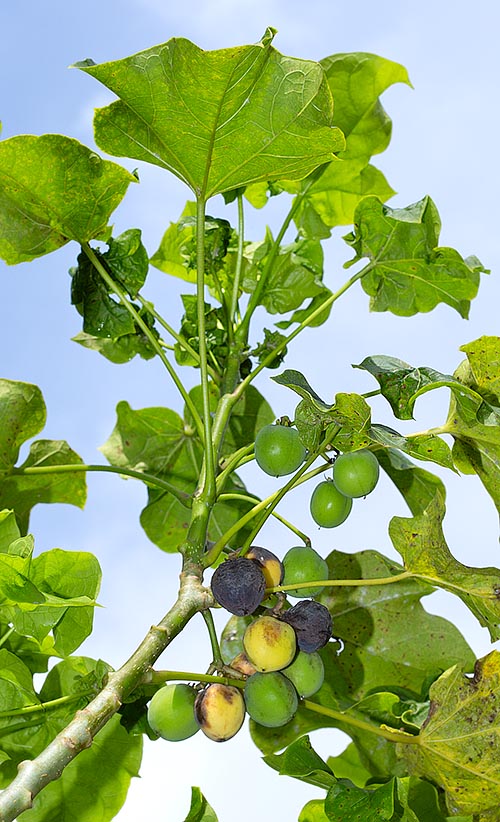
Biofuels is the appealing source of energy for future fuel needs. Biodiesel can be developed from growing plants which naturally contains oil specifically jatropha curcas, palm oil, Soybean and algae. Bioethanol can be extracted from sugar crops like sugarcane, sugar beet, maize, corn and so on by yeast fermentation. Wood items can likewise be transformed into Biofuels.
The gotten Biofuels from these products contains both advantages and downsides.

Advantages of Biofuels:
Ecological Benefits: The main expectation of using the biofuel is to be carbon neutral, less of CO and Sulfur, as it is made from natural deposits, and it is eco-friendly and pure fuels so it is excellent for vehicles. It minimizes the green home substantially compared to other fossil fuels.
First generation biofuels can conserve carbon emissions about 60% compared to fossil fuels whereas the second generation biofuels are better than first generation fuels. It uses carbon emission savings up to 80%. Recently, UK Government publication stated that biofuels can reduce emissions by 50-60%. Efficiency of the engine increases by utilizing biodiesel as the lubricant.
Economical: The biofuel‘s price decreases considerably if the biofuel production technology spreads out worldwide. The biofuels are developed locally which automatically enhances the rural development as the innovation depends generally on manual power. The quick boost of biofuel concurrently increases the production of these oil crops which stimulates the farming industry. The UK government has announced that it lowers the taxation for automobiles which are eco-friendly. Additionally, the sturdiness of the engine increases while utilizing these combustible fuels in engines.
Renewability and Degradable: The biofuels are made from crops which are sustainable and it is biodegradable and safer to manage and less hazardous than nonrenewable fuel sources.
Disadvantages of Biofuels:
Environmental Alarm: Adapting more lands for planting crops for biofuel extraction will discarded more habitats. More forests have been ruined in Asian nations for the plantation. The producing mechanism of these biodiesel indeed requires nonrenewable fuel sources which produces more carbon emissions. High initial financial investment is needed for the biodiesel production.
Odour: Certain biofuel crop produces heavy smell those smells are typically unwanted and biofuels plants can not be setup near the large communities.
Food and water Requirements: Some biofuel crops such as corn oil, palm oil are edible for cooking; the need for these crops for biofuels may raise the cost of these food crops. The big of water is needed for proper yield, even for drought resistant jatropha curcas plants.
Availability: The biofuels are not readily available in surplus so the diesel motor which are customized for biodiesel usage might face issues. The most autos are not equipped for utilizing biofuels in the engines. Some biodiesel can not resist frost; it gets frozen in the cooler areas. It likewise increases the threat of microbial growth in the engine. Only couple of petrol stations provide this biofuels and it is impossible to transport the biofuels utilizing pipelines.
Carbon emission: Biofuels are lowers the Jatropha greenhouse gases emission compared to other nonrenewable fuel sources. Recently, the European scientist reported that the burning of biodiesel particularly corn and rapeseed produces more laughing gas.