

Jatropha a Viable Alternative Renewable Resource
Constantly the biodiesel market is trying to find some alternative to produce renewable resource. Biodiesel prepared from canola, sunflower and jatropha can change or be integrated with standard diesel. During very first half of 2000’s jatropha biofuel made the headings as an extremely popular and promising option. It is prepared from jatropha curcas, a plant species native to Central America that can be grown on wasteland.
Jatropha Curcas is a non edible plant that grows in the deserts. The plant grows very rapidly and it can yield seeds for about 50 years. The oil got from its seeds can be utilized as a biofuel. This can be blended with petroleum diesel. Previously it has actually been used twice with algae combination to fuel test flight of industrial airlines.
Another of jatorpha seeds is that they have 37% oil content and they can be burned as a fuel without improving them. It is also used for medical purpose. Supporters of jatropha biodiesel say that the flames of jatropha oil are smoke free and they are successfully tested for easy diesel engines.
Jatropha biodiesel as Renewable resource Investment has brought in the interest of many business, which have actually tested it for automobile usage. Jatropha biodiesel has been road tested by Mercedes and 3 of the cars and trucks have covered 18,600 miles by using the jatropha plant biodiesel.
Since it is because of some disadvantages, the jatropha biodiesel have not thought about as a wonderful sustainable energy. The biggest issue is that nobody knows that exactly what the performance rate of the plant is. Secondly they don’t know how big scale growing might impact the soil quality and the environment as a whole. The jatropha plant needs 5 times more water per energy than corn and sugarcane. This raises another issue. On the other hand it is to be kept in mind that jatropha can grow on tropical climates with yearly rains of about 1000 to 1500 mm. A thing to be kept in mind is that jatropha needs correct watering in the first year of its plantation which lasts for years.

Recent study states that it holds true that jatropha can grow on degraded land with little water and poor nutrition. But there is no evidence for the yield to be high. This may be proportional to the quality of the soil. In such a case it may require high quality of land and may need the very same quagmire that is faced by a lot of biofuel types.
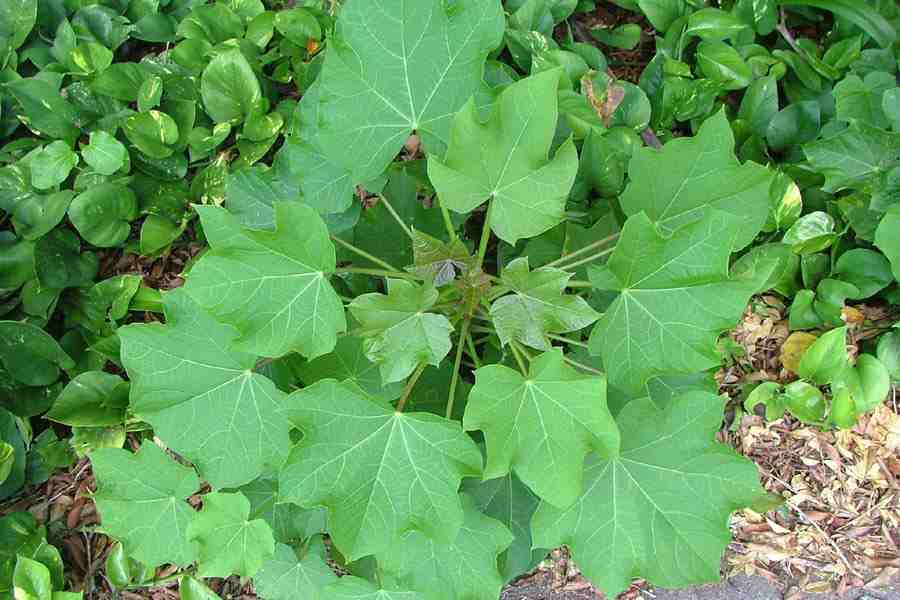
Jatropha has one primary disadvantage. The seeds and leaves of jatropha are toxic to people and animals. This made the Australian government to prohibit the plant in 2006. The government stated the plant as intrusive species, and too risky for western Australian agriculture and the environment here (DAFWQ 2006).
While jatropha has promoting budding, there are variety of research obstacles remain. The value of detoxing needs to be studied because of the toxicity of the plant. Along side a methodical study of the oil yield need to be carried out, this is really important since of high yield of jatropha would probably required before jatropha can be contributed substantially to the world. Lastly it is likewise extremely essential to study about the jatropha species that can survive in more temperature level climate, as jatropha is extremely much limited in the tropical environments.