
15 Up-And-Coming Buy A Single Oven Bloggers You Need To Check Out
A Comprehensive Guide to Buying a Single Oven: What You Need to Know
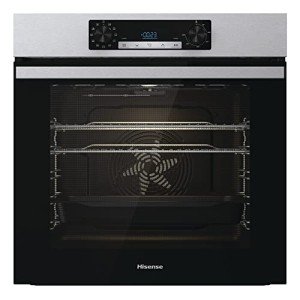
When it comes to kitchen devices, couple of items are as vital as an oven. Whether you’re an avid baker, a weekend chef, or someone who just wishes to warm up leftovers, the right oven can make all the difference in food preparation and cooking. Among the numerous types of ovens available in the market, NEFF Stainless Steel Single Oven with Circotherm (click this over here now) ovens stand out for their adaptability and space performance. This short article will assist you through the essential factors to consider when buying a single oven, outlining key features, types, and answering regularly asked concerns.
Comprehending Single Ovens
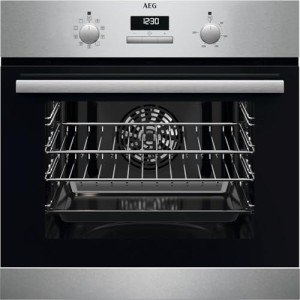
Single ovens, as the name suggests, include one cooking cavity. They are developed to deal with numerous cooking tasks, including baking, roasting, grilling, and broiling. Suitable for compact kitchens or those who do not need the extra area offered by double ovens, single ovens can be built into kitchen cabinetry or stand alone.
Kinds Of Single Ovens
Single ovens come in different types, each offering distinct advantages. Here are the main types to think about:
| Type | Description |
|---|---|
| Standard | Uses top and bottom heating components for traditional cooking designs. |
| Convection | Uses a fan to flow hot air, resulting in even cooking temperatures. |
| Wall Ovens | Built into the wall for space-saving design while remaining user-friendly. |
| Steam Ovens | Presents steam for damp cooking, exceptional for baking and reheating. |
| Microwave Ovens | Integrates cooking and reheating functionalities with microwave innovation. |
Key Features to Consider
When shopping for a single oven, it’s crucial to evaluate numerous features that can improve cooking experience and efficiency. Below are some vital credit to consider:
-
Size and Capacity:
- Measure the readily available space in your kitchen before picking an oven. The majority of single ovens range from 24 to 30 inches in width.
- Capacity normally varies from 2.0 to 5.0 cubic feet, depending on how much you normally cook or bake.
-
Energy Efficiency:
- Look for models with an Energy Star score to reduce energy usage and lower energy costs.
-
Oven Types:
- Consider whether you prefer a standard or convection design based upon your cooking preferences.
-
Control Panel:
- Choose easy to use controls, whether they are digital or analog.
- Touch controls typically include advanced functions like programmable settings and timers.
-
Self-Cleaning Functionality:
- Self-cleaning options save time and effort. Search for ovens with steam or pyrolytic cleansing alternatives.
-
Additional Features:
- Features such as hold-up start timers, multiple rack positions, and built-in probes can significantly enhance the cooking experience.
Popular Brands
When acquiring an oven, it is smart to consider brands known for their reliability and quality. A few of the popular brand names in the market include:
- Bosch
- Samsung
- LG
- Whirlpool
- Electrolux
- Frigidaire
Steps to Buy a Single Oven
Follow this structured process to streamline your buying decision:
-
Determine Your Cooking Needs:
- Assess your cooking routines and how regularly you utilize the oven.
-
Set a Budget:
- Single ovens can differ significantly in price from a few hundred to numerous thousand dollars. Set a reasonable budget plan to simplify your alternatives.
-
Research Online:
- Read reviews on various models to identify reliability, performance, and features.
-
Go to Showrooms:
- Visit home appliance display rooms to see the ovens up close, inspect their quality, and comprehend their features.
-
Request For Expert Advice:
- Consult with sales representatives or cooking experts for recommendations based upon your requirements.
-
Compare Warranty Options:
- Look into the guarantee policies. An extensive service warranty can supply peace of mind.
FAQs
1. What is the distinction in between a traditional oven and a convection oven?
Conventional ovens utilize top and bottom heat sources for cooking, while convection ovens utilize a fan to distribute hot air, leading to much faster and more even cooking.
2. Can I set up a single oven myself?
While some house owners select to install their ovens, it’s typically recommended to employ a professional to guarantee safety and compliance with local building regulations.
3. How typically should I clean my oven?
Frequency depends upon use. A self-cleaning oven can greatly lower the frequency, while manual cleansing ought to ideally be carried out seasonally if used frequently.
4. What extra functions should I look for?
Try to find functions such as a timer, hold-up start, and additional cooking modes like air fry or steam for boosted functionality.
5. Are gas ovens better than electric ovens?
The option in between gas and electric depends mostly on personal choice. Gas offers immediate heat and is typically preferred by professional chefs, while electric ovens typically provide more constant cooking temperature levels.
Purchasing a single oven can raise your cooking experience, leading the way for more enjoyable meal preparation and imagination in the kitchen. As you buy the ideal oven, consider your cooking habits, the oven’s features, and your readily available cooking area. Take your time to check out various choices, and by following the assistance provided in this post, you can make an educated choice that meets both your culinary needs and budget plan requirements.
In summary, the best single oven will not just enhance your cooking efficiency but also make your kitchen a more pleasurable space for culinary expedition. Happy cooking!