

The 9 Things Your Parents Teach You About Roofline Replacement

A Comprehensive Guide to Roofline Replacement
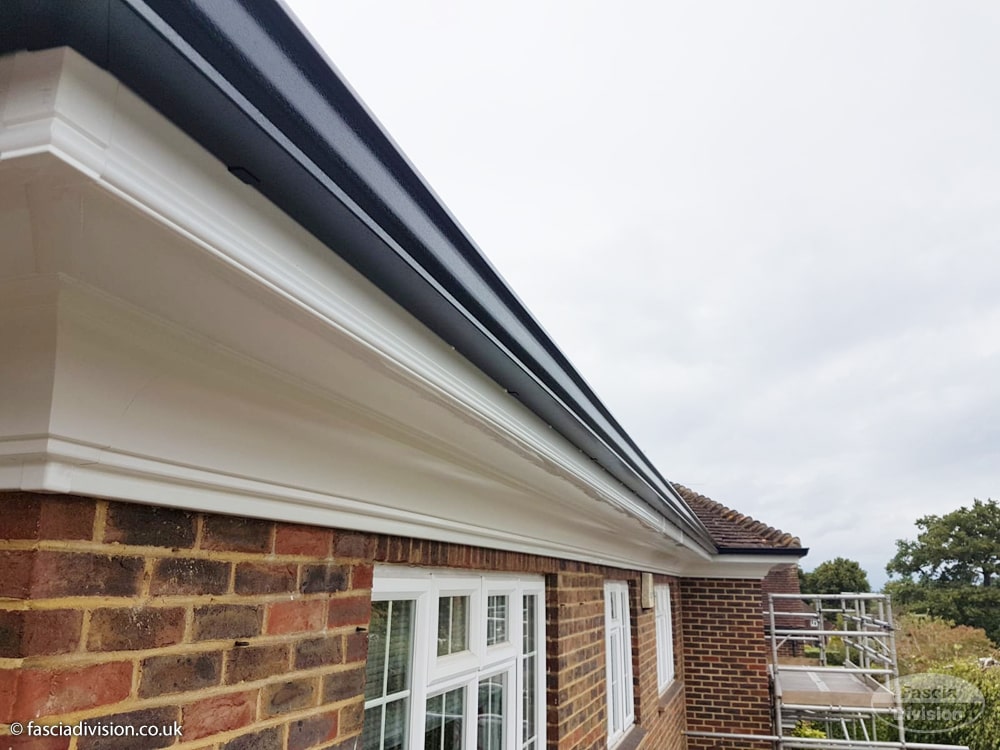
The roofline of a property plays a substantial function in both its visual appeal and its structural integrity. Frequently overlooked, roofline components such as fascias, soffits, and rain gutters can suffer from wear, damage, and wear and tear with time. Roofline replacement is vital for keeping not just the visual appeal of a building, but likewise its general health. This article will check out the various elements of roofline replacement, from understanding its elements to recognizing the indications that it’s time for a replacement, to how to select the best materials and professional services.
Understanding Roofline Components
Before diving into the information of roofline replacement, it’s vital to comprehend the different elements that comprise the roofline:
| Component | Description |
|---|---|
| Fascias | The vertical boards that run along the edge of the roofing, offering support for the roofing system overhang and housing the gutter system. |
| Soffits | The horizontal boards that link the roof’s overhanging eaves to the exterior wall of your house, supplying ventilation and aesthetic appeal. |
| Seamless gutters | Channels that gather and divert rainwater far from the roofing system and the foundation of the home, preventing water damage. |
| Bargeboards | Decorative boards that are fitted at the gable ends of a roofing. They end up the look of the roofline and include an aesthetic appeal. |
Signs That You Need Roofline Replacement
Recognizing when to replace or repair your roofline is important to avoiding further damage to your home. Here are some commonly observed indications that show a roofline replacement may be necessary:
- Visible Damage: Look for cracks, holes, or decay in the fascias and soffits.
- Sagging: If the roofline appears to droop, there could be underlying structural concerns.
- Water Damage: Signs of leakages or staining on the walls can suggest bad drain or damage in gutters.
- Pest Infestation: If you observe wasps or other insects nesting in your soffits, it might suggest the product is weakening.
- Mold or Mildew: Growth on your soffits or fascias can suggest trapped wetness, which can result in major structural problems.
Benefits of Roofline Replacement
Buying roofline replacement offers numerous advantages:
- Improved Aesthetic Appeal: A brand-new roofline can drastically enhance the visual residential or commercial property’s appeal, providing a fresh appearance.
- Increased Property Value: Upgrading your roofline parts can include worth to your home, which can be useful if you prepare to sell in the future.
- Enhanced Protection: New fascias, soffits, and gutters enhance defense versus the components, hence decreasing the threat of water damage.
- Better Energy Efficiency: Properly installed roofline components can add to much better ventilation, which helps maintain an even temperature inside the home and reduces energy expenses.
Selecting the Right Materials for Roofline Replacement
Selecting the best products for roofline replacement significantly affects durability and aesthetics. Here are some common products:
- uPVC (Unplasticized Polyvinyl Chloride): Low-maintenance, long lasting, and weather-resistant, this product is popular for its affordability and range of designs.
- Wood: Offers a standard look, however needs regular maintenance to avoid rot and insect damage.
- Aluminum: This product is lightweight and resistant to deterioration, making it a long lasting option.
- Fiber Cement: Known for its longevity and resistance to pests and rot, fiber cement is exceptionally flexible.
Secret Considerations in Material Selection
When choosing materials for roofline replacement, think about the following:
- Durability: Opt for products that can endure regional climate condition.
- Maintenance: Realistically assess just how much time and resources you can devote to maintenance.
- Visual Match: Ensure the products match the existing design of your home for visual coherence.
- Budget: Consider the expense of both materials and labor to find the best suitable for your financial plan.
Employing a Professional for Roofline Replacement
While some property owners might consider carrying out roofline replacement as a DIY job, employing the aid of professionals is typically the best course of action. Here are some ideas for choosing a contractor:
- Check Qualifications: Verify the contractor’s licenses and certifications.
- Check out Reviews: Look for online evaluations and testimonials to gauge their reputation.
- Get Multiple Quotes: Compare quotes from several professionals to ensure you’re paying a fair price.
- Ask About Guarantees: A professional contractor should offer a warranty on both materials and installation.
Frequently Asked Questions About Roofline Replacement
Q1: How often should roofline parts be changed?A1: The lifespan of roofline elements varies by product. uPVC can last 20-40 years, while wooden parts might last 10-20 years with appropriate maintenance.
Q2: Can I paint my fascias and soffits?A2: Yes, you can paint wooden fascias and soffits. However, it’s advisable to avoid painting uPVC, as it can lower its lifespan.
Q3: What is the average expense of roofline replacement?A3: The cost of roofline replacement can vary widely depending on material, size, and contractor rates, however anticipate to invest anywhere from ₤ 1,500 to ₤ 5,000 for common homes.
Q4: Will changing my roofline improve insulation?A4: While roofline replacement itself doesn’t usually improve insulation, proper ventilation by means of new soffits can add to much better energy effectiveness.
Roofline replacement is an important home enhancement job that is typically neglected. Recognizing the signs of wear and understanding the parts involved can empower house owners to buy this vital element of their home. By carefully picking suitable products and employing professional help, one can make sure a beautifully completed roofline that boosts both the durability and appeal of their home.