

How tO make Biodiesel in your home
Biodiesel is a roadway and off road legal alternative to fossil/mineral diesel and red diesel. It has a lot of the attributes of typical mineral diesel, but is usually made from veggie oils.

Running any diesel engine on veggie oil is not a new concept. The original diesel motor first demonstrated in 1895 by Rudolph Diesel was designed to run on veggie oil.Biodiesel has been readily available for lots of years as a mainstream fuel in the major automobile production nations such as Germany, the USA and throughout Europe.
By producing biodiesel we are also recycling which benefits the environment.
You may be surprised to learn that far from being an inferior, home produced fuel, biodiesel is much better for your automobile engine and the environment than fossil based fuels such as petrol and regular forecourt diesel.
Fuel rates are increasing steadily all the time and with greater and unpredictable prices at the pumps, many individuals are turning to either making biodiesel or acquiring it currently made from a supplier.
With the former option, making biodiesel safely should be a concern. With the latter, a biodiesel supplier near adequate to end up being economical can frequently prove challenging, and of course this is a more pricey choice.
The Savings
By making biodiesel in the house it should be possible to produce your alternative fuel from waste grease prepared to enter you tank at a portion of the expense of forecourt fuel. If you pick to utilize brand-new oil the savings are not as magnificent but you will still see a substantial saving on forecourt diesel pump rates.
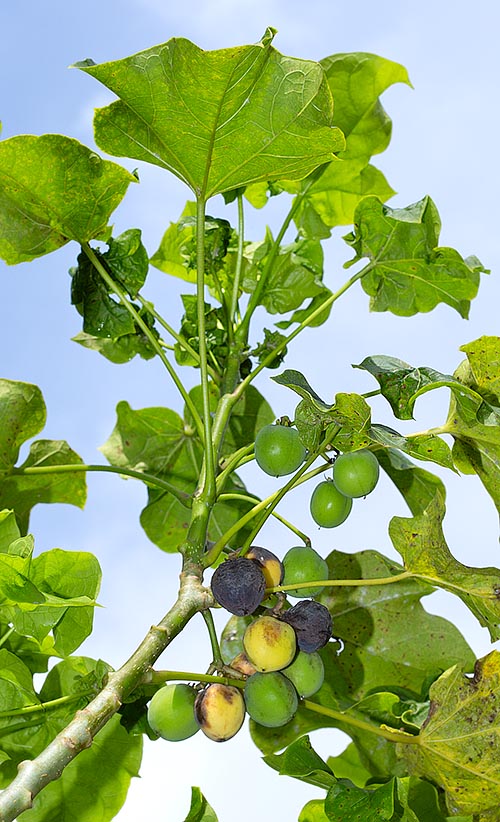
Types of Vegetable Fuel
There are three options to think about when utilizing veggie oil, nevertheless we would only suggest alternative three – home produced biodiesel.
Straight Grease
Vegetable oil is around 5 times more viscous or thicker than regular diesel. A diesel motor would require to be customized to cope with this increased viscosity to make sure the oil flows freely through the fuel system and into the combustion chamber.
This can be accomplished either by pre-heating therefore thinning the oil before it goes into the injectors, or by installing a double tank system where the car is operated on typical diesel up until warm and after that switched to biodiesel.
Another problem can be that oil has various chemical residential or commercial properties and combustion characteristics from the fuel that most diesel engines are created to use. In newer cars and trucks with precise tuning systems this can trigger problems. In addition to this there is the expense of the conversion and guarantee problems to think about.
Blending
Vegetable oil can be mixed with other fuels or solvents to decrease its viscosity.
When mixing vegetable oil with forecourt diesel this should be restricted to 20% oil to 80% diesel.
This method is not a good environmental alternative as it still involves utilizing a fossil based fuel.
Some individuals have actually explore solvents such as white spirit or paint thinner. This is not advised because performance and the long-lasting result on engine wear are both unknown quantities.