

10 Inspirational Graphics About Fitness Bicycle For Sale
Finding the Ideal Fitness Bicycle for Sale: A Comprehensive Buyer’s Guide
Investing in a fitness bicycle is among the most reliable methods to enhance cardiovascular health, build lower body strength, and maintain an active lifestyle without putting excessive wear and tear on the joints. Whether someone is seeking to get away the uniformity of the gym, commute to work with a sweat-inducing ride, or pedal away the calories from the comfort of their living-room, the market provides a diverse array of alternatives.
However, navigating the expression “fitness bicycle for sale” online can rapidly become frustrating. With countless brands, designs, and rate points, finding the best two-wheeled companion requires a little bit of research study. This guide breaks down whatever a potential purchaser requires to understand to make a notified purchase.
Comprehending the Different Types of Fitness Bicycles
Before browsing listings, buyers should initially determine which category of bike best fits their fitness goals and environment. Physical fitness bicycles typically fall into four primary classifications:
- Road Bikes: Designed for speed and performance on paved surface areas. They feature drop handlebars that enable the rider to tuck into an aerodynamic position, making them perfect for long-distance endurance rides.
- Hybrid/Fitness Bikes: As the name suggests, these combine the comfortable, upright seating position of a mountain bicycle with the lighter weight and thin tires of a road static bike exercise. They are versatile, highly maneuverable, and terrific for casual workouts or travelling.
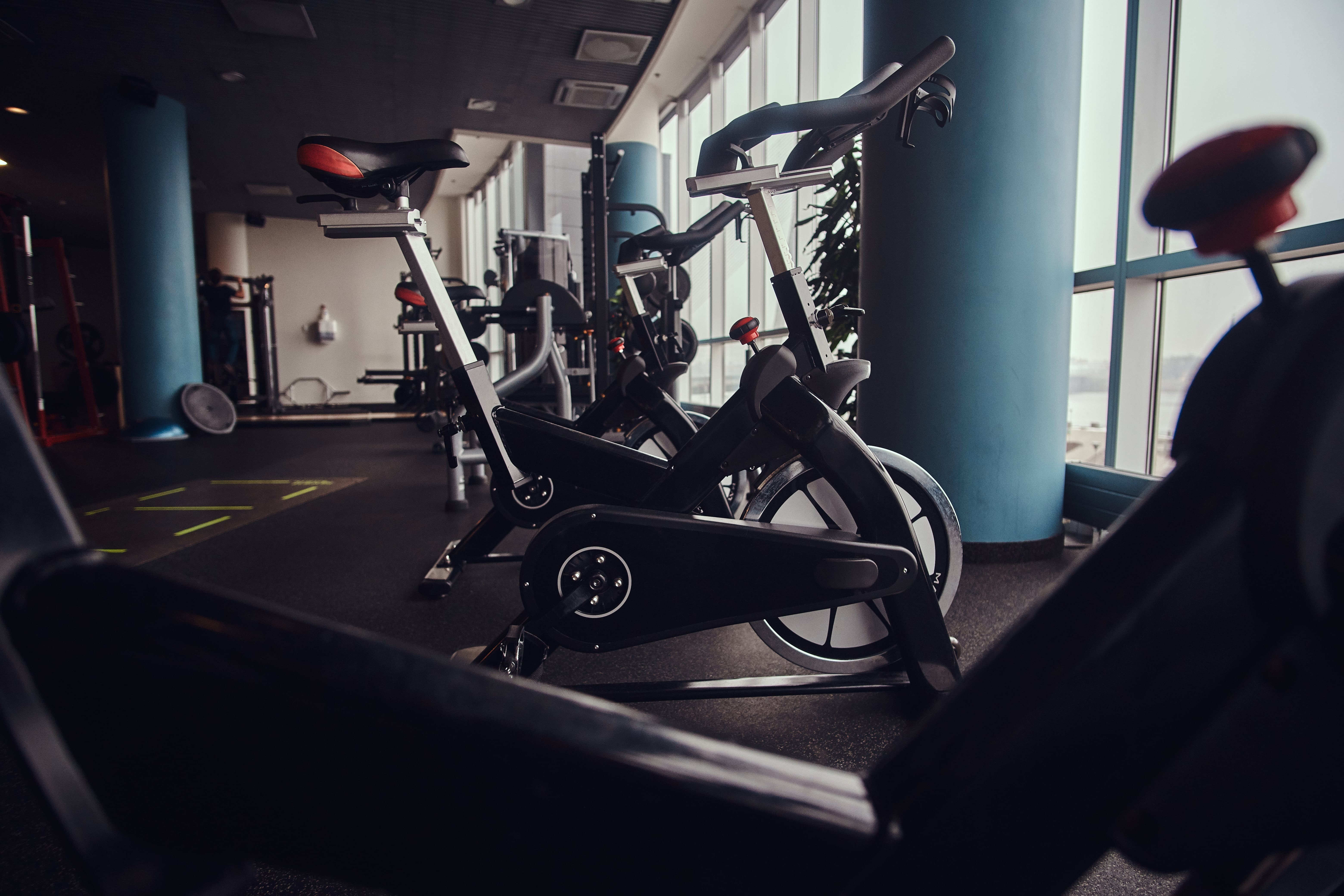
- Indoor Exercise Bikes (Spin Bikes/ Upright Bikes): Perfect for year-round training despite the weather condition. Stationary bicycles allow riders to control resistance precisely and often include digital consoles or integration with physical fitness apps.
- Recumbent Bikes: A variation of the stationary bicycle including a bigger, chair-like seat with a back-rest. These are exceptionally popular for people with lower back pain or those recovering from injuries.
Comparing Bike Types: At a Glance
To assist limit the choices, the table listed below compares the crucial features, best usage cases, and target market for each major physical fitness Bicycle home exercise type.
| Bike Type | Main Terrain | Seating Position | Best For | Ability Level |
|---|---|---|---|---|
| Roadway Bike | Pavement/ Asphalt | Aggressive/ Forward | Speed, endurance, cross countries | Intermediate to Advanced |
| Hybrid Bike | Paved routes, light gravel | Upright/ Comfortable | Casual physical fitness, commuting, flexibility | Beginner to Intermediate |
| Indoor Spin Bike | Indoor usage only | Adjustable (Upright to Lean) | High-intensity interval training (HIIT), classes | All Levels |
| Recumbent Bike | Indoor use just | Laid-back/ Reclined | Low-impact cardio, joint safety, back support | Novices, Seniors, Rehab |
Key Features to Look for When Shopping
When evaluating any fitness bicycle for sale, buyers need to look beyond the aesthetic appeal and check the mechanical and ergonomic elements.
1. Frame Material
- Aluminum: The most common material for mid-range physical fitness bikes. It is light-weight, rust-resistant, and fairly budget-friendly.
- Carbon Fiber: Found on high-end road and indoor bikes. It soaks up road vibrations extremely well and is ultra-lightweight, but includes a greater price.
- Steel: Heavy and susceptible to rust if ignored, however incredibly durable and provides a smooth, compliant trip. Often discovered on economical or vintage-style models.
2. Drivetrain and Gears
- Single-Speed/ Fixed Gear: Low maintenance and fantastic for flat terrain, however challenging on hills.
- Geared Hubs/ Derailleurs: Essential for hilly locations. More gears (e.g., 18 to 30 speeds on outside bikes) offer finer increments for preserving an optimum pedaling cadence.
3. Braking Systems
- Rim Brakes: Traditional brakes that clamp onto the wheel rim. They are light-weight and easy to preserve, but less reliable in damp weather condition.
- Disc Brakes (Mechanical or Hydraulic): Offer remarkable stopping power in all weather. Hydraulic disc brakes supply the smoothest, most powerful braking with very little hand fatigue.
Indoor vs. Outdoor: Which Fitness Bicycle is Right for You?
Choosing in between an indoor stationary bicycle and an outside bicycle depends mainly on way of life, geography, and individual choices.
Benefits of Outdoor Fitness Bicycles
- Mental Health Benefits: Cycling outdoors exposes riders to natural sunshine, fresh air, and changing surroundings, which has been shown to decrease tension and increase state of mind.
- Core Engagement: Balancing a bike on irregular terrain naturally engages the core and stabilizing muscles in manner ins which fixed bikes do not.
- Real-World Utility: An outdoor hybrid or roadway bike can function as a lorry for commuting or running errands.
Advantages of Indoor Fitness Bicycles
- Weather Independence: Rain, snow, extreme heat, or ice will never cancel an exercise cycles for sale.
- Safety: No traffic, potholes, or sidetracked chauffeurs to stress over.
- Data Tracking: Modern indoor bikes typically come equipped with built-in power meters, cadence sensing units, and seamless connection to virtual riding platforms like Zwift or Peloton.
Vital Tips for Buying a Bike on a Budget
Discovering a great offer on a physical fitness bicycle needs perseverance and technique. Whether purchasing new from a regional bike store or browsing the secondhand market, keep these ideas in mind:
- Determine Your Budget Early: Prices can vary from ₤ 200 for a standard department-store bike to well over ₤ 3,000 for high-end efficiency makers. A strong, trusted entry-to-mid-range physical fitness bike typically falls in the ₤ 500– ₤ 1,000 range.
- Focus On Fit Over Features: A high-end bike that is the incorrect size will trigger discomfort, decrease effectiveness, and potentially result in injury. Constantly examine the manufacturer’s sizing chart based upon your height and inseam.
- Consider Accessories: The price tag seldom includes everything needed to ride securely. Budget plan extra funds for:
- An appropriately fitted helmet.
- A resilient lock (if buying an outside bike).
- Water bottle cages and bottles.
- Cushioned biking shorts or a comfortable saddle cover.
- Fundamental repair tools (extra tube, tire levers, mini-pump).
Where to Look for a Fitness Bicycle
When searching for a physical fitness bicycle for sale, buyers have numerous opportunities to explore:
- Local Bike Shops (LBS): The gold requirement for beginners. Personnel can assist with professional sizing, use test rides, and typically consist of a complimentary tune-up within the first year.
- Direct-to-Consumer Brands: Companies that offer online and ship directly to the buyer’s doorstep. These often supply great value for cash, though assembly is normally needed.
- The Used Market (Craigslist, Facebook Marketplace, Local Classifieds): An outstanding method to find high-end bikes at a fraction of the retail cost. Pointer: Always check the frame for cracks, check that the equipments shift smoothly, and make sure the bike isn’t stolen by requesting original purchase invoices if possible.
Final Thoughts
Embarking on a physical fitness journey with a bicycle is a gratifying choice that pays dividends for physical and psychological well-being. By thoroughly assessing whether an indoor or outside design fits the lifestyle best, understanding essential part distinctions, and shopping with a clear budget plan, purchasers can protect a trusted machine that inspires them to ride day after day. Make the effort to research study, test-ride if possible, and choose a bike that sparks happiness each time it’s time to pedal.